Walking into a tequila festival without knowing the basics is like walking into a wine festival having only ever drunk White Claw. You'll have a fine time — but you'll have a much better time if you know what you're tasting. This is the no-snobbery, festival-friendly version of Tequila 101.
What tequila actually is
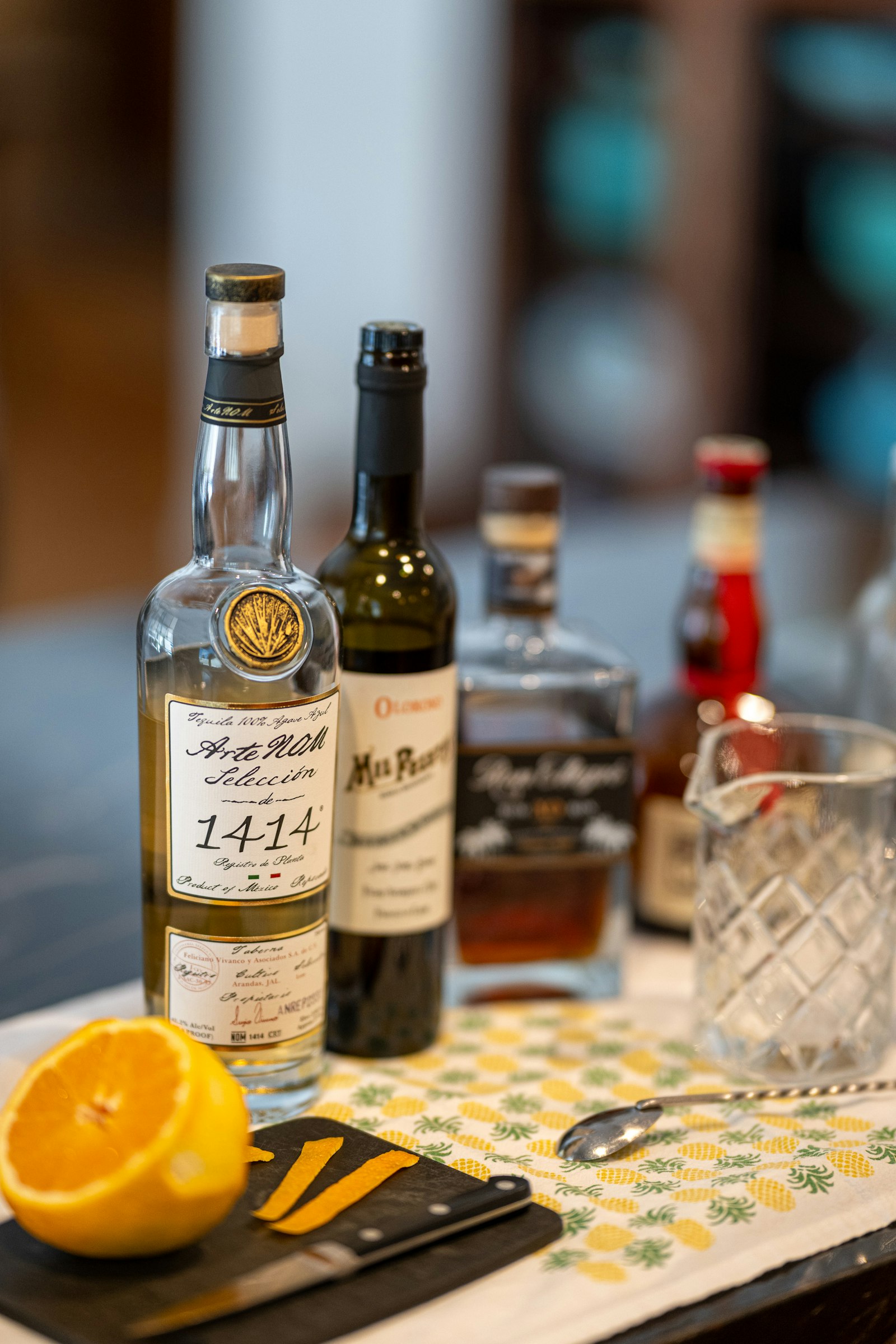
Tequila is a distilled spirit made from the fermented juice of the blue Weber agave plant. By Mexican law, it can only be produced in five specific states (mostly Jalisco). At least 51% of the sugars must come from blue agave — but the bottles you actually want are 100% blue agave, which will say so on the label.
The three main styles you'll see at the festival
- •Blanco (a.k.a. Plata or Silver) — unaged or rested briefly. Tastes like the agave plant: vegetal, peppery, citrus. The truest expression of the distillery's style.
- •Reposado — aged 2 to 12 months in oak. The agave is still front and center, but you get vanilla, caramel, light spice from the barrel.
- •Añejo — aged 1 to 3 years. Smoother, woodier, more dessert-like. Sip neat. Skip in cocktails.
"Additive-free" — why it matters
Most mass-market tequilas are legally allowed to add up to 1% additives — caramel coloring, glycerin, oak extract, sugar syrup. It's a way to fake age and smooth things out. Additive-free brands skip all of it. The result: cleaner agave flavor, no synthetic vanilla finish, and (most drinkers report) noticeably less hangover. The Additive-Free Alliance section at the festival is where you taste the difference.
Mezcal — tequila's smokier cousin
Mezcal can be made from 30+ agave varietals (most commonly Espadín). The agave is roasted in earthen pits before fermentation, which gives mezcal its distinctive smoky, savory, almost campfire character. If you like Islay scotch or smoky cocktails, mezcal will become your new favorite spirit.
Sotol & Bacanora — the deep cuts
Sotol comes from the Dasylirion plant (technically not agave, but close cousin) and is made in northern Mexico. Bacanora is made from a specific wild agave in Sonora. Both are wilder, more rustic, more terroir-driven than tequila. You'll find them in the Agave Spirits section — try them once and you'll spend the next year hunting bottles.
How to actually taste tequila at a festival
- •1. Look at it. Color hints at age and barrel use.
- •2. Sniff at arm's length first, then move closer. Identify agave (vegetal), citrus, pepper, vanilla, smoke.
- •3. Take a tiny first sip — let it coat your tongue.
- •4. Take a second, slightly bigger sip. Where does the flavor finish? Does it linger or fade?
- •5. Drink water. Eat something. Move to the next pour.
A few brands to seek out at Aloha Tequila Fest
Confirmed at the festival: Kapena, Codigo, El Tesoro, Tequila Ocho, Fortaleza, G4, 3 Tres, Cuervo, La Familia, Dobel, Herradura, Corralejo, Cascahuín, Espolón and more to come. If this is your first time, taste a Blanco from each and compare — you'll learn more about distillery style in 30 minutes than you would in 30 cocktails.
See you on June 20
You're ready. International Market Place, Waikiki, 5–9 PM, June 20, 2026. Tickets via TicketSpice. Bring an ID and an open palate.
